

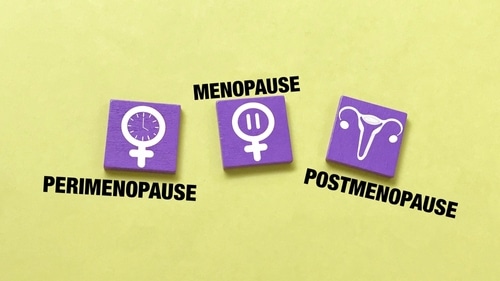
Perimenopause and menopause are natural life stages but that doesn’t mean they’re always easy.
Many women we see in the clinic tell us they “don’t feel like themselves.” They’re experiencing new aches and pains, poor sleep, anxiety, headaches, or stiffness that seems to have appeared out of nowhere. Often, they don’t immediately connect these changes to hormonal shifts.
Let’s unpack what’s happening.
What Is Perimenopause?
Perimenopause is the transitional phase leading up to menopause. It can begin in your 40s (sometimes earlier) and may last several years.
During this time, oestrogen and progesterone levels fluctuate sometimes significantly. It’s often this hormonal variability, rather than just a steady decline, that contributes to symptoms.
Common experiences include: 
- Irregular periods
- Hot flushes and night sweats
- Sleep disturbance
- Increased anxiety or low mood
- Brain fog
- Headaches or migraines
- Joint aches and stiffness
- Increased muscle tension
Menopause is diagnosed after 12 consecutive months without a period.
Why Do Muscles and Joints Start to Ache?
Oestrogen plays an important role in multiple body systems including the musculoskeletal and nervous systems.
It influences:
- Collagen turnover
- Tendon and ligament structure
- Joint lubrication
- Muscle repair
- Pain sensitivity within the nervous system
- As hormone levels fluctuate and gradually decline, some women notice:
- Increased joint stiffness (commonly neck, shoulders, hips, hands)
- Slower recovery after exercise
- Greater sensitivity to load
- More frequent headaches
- Increased muscle tension
Research shows that midlife women are at higher risk of developing certain tendinopathies, particularly around the hips (glutealtendinopathy) and shoulders (rotator cuff-related pain). While hormones are not the sole cause, they may contribute to reduced

Bursitis, Tendinosis & “Stubborn” Pain
During perimenopause and menopause, we often see an increase in presentations such as:
- Lateral (outside) hip pain
- Shoulder pain with lifting your arm about shoulder height
- Achilles or elbow tendon pain
Tendinosis: (a degenerative form of tendinopathy) involves changes in tendon structure due to overload and reduced recovery capacity. Hormonal changes may influence collagen quality and how tendons respond to load.
Bursitis: irritation of the fluid-filled sacs that cushion joints, is often secondary to tendon overload rather than purely hormonal. In many cases, what is labelled “bursitis” is actually tendon-related pain.
The key point: these tissues are not “worn out” they usually need progressive, appropriate loading rather than prolonged rest.
The Nervous System & Stress
Hormonal shifts can also influence how the nervous system processes pain.
This can contribute to:
- Increased muscle guarding
- Jaw and neck tension
- More frequent flare-ups of old injuries
- Heightened pain sensitivity
This does not mean the body is deteriorating, it means the system may be more reactive and in need of support.
How Can Osteopathy Help? 
At Bodywell Healthcare, our approach is individual and evidence-informed.
Osteopathic treatment during perimenopause and menopause may help by:
- Improving joint mobility
- Reducing muscular tension
- Supporting rib and breathing mechanics
- Assisting in the management of tendinopathy
- Guiding safe and progressive strengthening
- Supporting nervous system regulation
Hands-on treatment can be helpful, but education and strength-based rehabilitation are often equally important.
The Role of Strength Training
One of the most protective things women can do during perimenopause and menopause is resistance training.
Evidence supports strength training for:
- Maintaining bone density
- Preserving muscle mass
- Improving tendon capacity
- Supporting joint stability
- Reducing injury risk
- Improving mood and sleep
Two to three sessions per week can make a significant difference.
The goal isn’t extreme training, it’s consistent, progressive loading that supports long-term tissue health.
When Should You Seek Support?
Consider seeking support if you are experiencing:
- Persistent new joint or tendon pain
- Hip or shoulder pain that isn’t improving
- Recurrent headaches
- Increasing stiffness
- Sleep disruption due to discomfort
A Final Word
Perimenopause and menopause are natural transitions, but they can be physically and emotionally demanding.
With appropriate support, education, and strength-based movement strategies, this phase can be navigated with confidence and resilience.
If you’re experiencing musculoskeletal pain during perimenopause or menopause, we’re here to help guide you through it. If would like to make an appointment you can book here and if you have any further questions you can call to chat to one of our friendly team on 9717 1200.